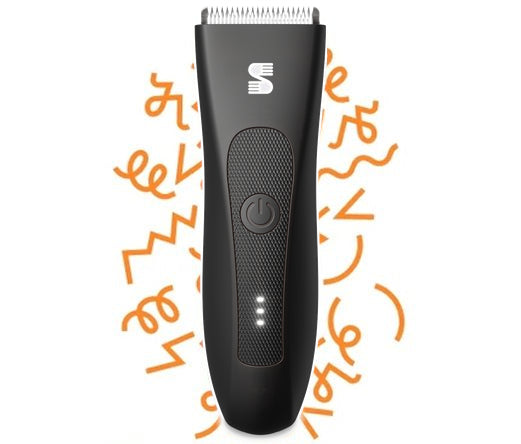
The right grooming tool depends on the result you want, the areas you plan to maintain, and how much control you need during use. A trimmer is usually the most practical choice for shortening hair while keeping some visible length. A body groomer may handle several body areas with one device, while an electric shaver or manual razor is intended for a closer finish. None is automatically better for every routine. Compare them by four factors: length control, handling around curved areas, visibility during trimming, and the cleaning required after use.
Quick Verdict
Choose a trimmer when your priority is controlled shortening rather than removing hair as closely as possible. Length guards can help you maintain a consistent result, and a narrower cutting area may make it easier to follow changes in body shape.
Choose a body groomer when you want one general-purpose device for the torso, legs, underarms, and other areas. Its broader role can make it convenient, although a larger head may offer less precision in tighter spaces.
An electric shaver is more suitable when you prefer a smoother-looking finish without using an exposed manual blade. A razor can provide an even closer result, but it generally requires more preparation, careful positioning, and frequent blade maintenance.
Your routine may also involve more than one tool. For example, you might use a trimmer to reduce longer hair before using a shaver on selected areas.
What Each Grooming Tool Is Designed to Do
A trimmer cuts hair above the skin rather than removing it at skin level. Its main advantage is adjustable length control. Different guards allow you to move between a lightly maintained appearance and a shorter finish without changing your entire method.
Handling matters when working around areas where the surface is not flat. A trimmer with a manageable head size can make it easier to see the cutting path and approach from different angles. Results still depend on your technique, hair length, guard selection, and the condition of the cutting head.
A body groomer is usually designed for broader coverage. Some models combine trimming and foil-style shaving functions, while others concentrate on general body-hair reduction. This versatility can reduce the number of devices in your routine, but it does not guarantee equal control across every body area.
An electric shaver uses a foil or rotary system to cut hair close to the skin. It may suit people who value a smoother appearance and do not need visible length. However, longer hair may need to be shortened first because shavers tend to work more efficiently on shorter growth.
A manual razor cuts very close to the skin and gives you direct control over each stroke. It also places more responsibility on preparation, blade condition, pressure, angle, and visibility. It is generally less suitable for anyone who simply wants to reduce volume while preserving some length.
Grooming Tool Comparison
| Tool | Length control | Typical finish | Coverage and visibility | Maintenance |
|---|---|---|---|---|
| Trimmer | High when used with guards | Shortened hair with visible length | Usually suitable for controlled work and changing angles | Brush or rinse the head as permitted; remove trapped hair |
| Body groomer | Moderate to high, depending on attachments | Trimmed or relatively close | Convenient for several body areas; head size may affect precision | Clean attachments and check more than one cutting surface |
| Electric shaver | Limited length choice | Close, smooth-looking finish | Useful on areas where the foil or rotary head can maintain contact | Remove hair from the shaving chamber and replace worn foils or cutters when needed |
| Manual razor | No guard-based length control | Very close finish | Requires a clear view and careful stroke direction | Rinse during use, dry after use, and replace dull blades |
| Scissors | Manual and less consistent | Basic reduction of longer hair | Limited efficiency and more difficult to use evenly | Clean and dry the blades after use |
The table shows why the decision should start with the intended result. A close finish, adjustable length, and broad body coverage are different goals, so one device may not perform all three equally well.
Which Tool Fits Each Scenario?
You want consistent, visible length
A trimmer with suitable guards is usually the clearest match. It allows you to select a target length instead of estimating how much hair to remove with every pass. Begin with a longer guard when you are uncertain, because you can gradually shorten the result without immediately removing more than intended.
For routines centered on controlled shortening and maneuverability, a dedicated groin trimmer for men represents the trimming category more directly than a razor or close electric shaver. The relevant question is not whether it defeats every other tool, but whether adjustable length and controlled positioning matter more to you than the closest possible finish.
You want one device for several body areas
A body groomer may be the more convenient choice. It can reduce the need to store, charge, and clean several separate tools. This matters when your routine covers larger areas and you prefer consistent operation across them.
The tradeoff is specialization. A head designed to cover the chest or legs efficiently may feel less precise in areas where visibility and small directional changes are important. Check whether the attachments suit both broad passes and controlled trimming rather than assuming that “full body” describes identical performance everywhere.
You want a closer appearance
An electric shaver may fit a routine focused on removing visible stubble. It is usually easier to incorporate after longer growth has already been shortened. The cutting system must maintain suitable contact with the surface, so results can vary across curves and changes in hair direction.
A manual razor may create an even closer finish, but closeness is only one part of the decision. Consider whether you are willing to prepare the area, maintain a clear view, use controlled strokes, and replace blades regularly. A closer result may also require more frequent upkeep as new growth becomes visible.
You want to manage longer, uneven growth
Start with a trimmer rather than moving directly to a shaver or razor. Reducing longer hair first can improve visibility and make the remaining work easier to control. A longer guard also helps create a more even starting point before you decide whether further shortening is necessary.
Scissors can reduce isolated long hairs, but they are not usually the most efficient tool for creating an even overall length. They also require careful hand positioning and do not provide the consistency of a fixed guard.
Maintenance and Cleaning Tradeoffs
Cleaning requirements should influence your choice because trapped hair can affect cutting efficiency and make the device less pleasant to maintain. Before rinsing any electric tool, confirm whether the manufacturer permits full washing, head-only rinsing, or dry brushing.
Trimmers usually require hair removal from the teeth, guard, and spaces around the cutting head. Detachable guards should be cleaned separately and allowed to dry before storage. Some cutting systems may also require occasional lubrication, but you should follow the instructions for the specific device rather than applying oil automatically.
Body groomers with several attachments create more components to inspect. This can add convenience during use but increase the number of surfaces that collect hair or residue. A simpler device may be easier to maintain when you use only one or two length settings.
Electric shavers collect short hair inside the foil or rotary chamber. Regular cleaning helps maintain movement within the cutting system. Worn foils, damaged screens, or dull cutters should be replaced according to the manufacturer’s guidance.
Manual razors require less mechanical cleaning but more frequent blade attention. Rinsing the blade during use, allowing it to dry, and replacing it when performance declines can support more consistent results.
How to Make the Final Decision
Start by writing down the finish you actually want: maintained length, short trimming, a close electric-shaved result, or a razor-close finish. This removes much of the confusion created by product labels.
Next, consider where the tool will be used. Broad, relatively flat areas favor coverage, while tighter or curved areas increase the importance of visibility, manageable head size, and angle control.
Then evaluate how much maintenance you will realistically perform. Multiple attachments offer flexibility, but they also require additional cleaning and storage. A closer-cutting system may suit your preferred appearance, yet it can involve more frequent grooming.
Use this final checklist before choosing:
-
Do you want visible length or the closest available finish?
-
Do you need fixed guards for repeatable results?
-
Will the tool be used on one area or across the body?
-
Can you clearly see and control the cutting path?
-
Is the head size suitable for the areas you plan to maintain?
-
Are the cleaning instructions compatible with your routine?
-
Can worn guards, foils, cutters, or blades be replaced?
-
Would two specialized tools work better than one multipurpose device?
A trimmer is generally the strongest fit for adjustable length and controlled reduction. A body groomer favors versatility, an electric shaver favors a closer finish, and a manual razor favors maximum closeness with more hands-on preparation. Choosing according to the task—not the broadest product claim—will give you a routine that is easier to repeat and maintain